
Jona Ballé (NYU, Fraunhofer HHI)
Jona Ballé is an Associate Professor at New York University and a Group Lead at Fraunhofer Heinrich Hertz Institute, studying data compression, information theory and models of visual perception. She defended her master's and doctoral theses on signal processing and image compression under the supervision of Jens-Rainer Ohm at RWTH Aachen University in 2007 and 2012, respectively. This was followed by a brief collaboration with Javier Portilla at CSIC in Madrid, Spain, and a postdoctoral fellowship at New York University’s Center for Neural Science with Eero P. Simoncelli, where Jona studied the relationship between perception and image statistics. While there, she pioneered using machine learning for end-to-end optimized image compression – this work ultimately led to the JPEG AI standard, finalized in 2025. From 2017 to 2024, Jona deepened her ties to industry as a Research Scientist at Google, before returning to NYU in 2025 as an Associate Professor. Since 2026, she also leads a research group at Fraunhofer HHI in Berlin, Germany. Jona has served as a reviewer for top-tier publications in both machine learning and image processing, such as NeurIPS, ICLR, ICML, Picture Coding Symposium, and several IEEE Transactions journals. She is an area chair at NeurIPS, has been active as a co-organizer of the annual Challenge on Learned Image Compression (CLIC) since 2018, and as a member of the program and steering committees of the Data Compression Conference (DCC) since 2022, and the Picture Coding Symposium (PCS) since 2025, respectively. (read more)

Olena Chubach (MediaTek)
Olena Chubach obtained her B.Sc. and M.Sc. degrees in Applied Mathematics from Odesa National I.I. Mechnikov University. She later earned her Ph.D. in Electrical Engineering from RWTH Aachen University in Germany. In June 2018, she joined MediaTek Inc. in San Jose, USA, where she currently holds the position of Senior Staff Engineer in the Multimedia Technology Development Division. She actively participates in the international standardization community and has actively contributed to the Versatile Video Coding (VVC) project. Her research interests are primarily focused on video coding algorithms and application of neural network-based algorithms for image and video coding. (read more)
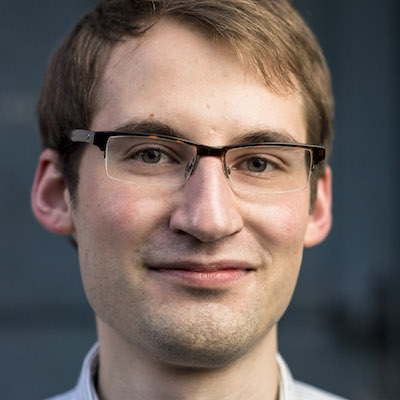
Lucas Theis (Mabyduck)
Lucas Theis is the founder of Mabyduck, a startup focusing on perceptual quality evaluation. Lucas previously worked at Google DeepMind on neural compression and information theory. He did his PhD at the Max Planck Research School in Tübingen, working with Matthias Bethge on deep generative models of natural images. After finishing his PhD, he started to work for a neural video compression startup called Magic Pony Technology, which got acquired by Twitter in 2016. Lucas has served as a reviewer for some of the top machine learning journals and conferences (JMLR, CVPR, ICML, NIPS, ICLR) and is co-chair of the VQEG interest group on Subjective and objective assessment of GenAI content (SOGAI). (read more)

Ross Cutler (Microsoft)
Ross Cutler is a Partner Applied Scientist Manager at Microsoft in the IC3 group where he manages the IC3-AI team of applied scientists and software engineers with the focus of improving Teams/Skype audio/video quality and reliability and enabling new functionality with AI. He has been with Microsoft since 2001, starting as a researcher in Microsoft Research. He has published 50+ conference papers, journal papers, and book chapters, and has 95+ granted patents in the areas of computer vision, audio processing, machine learning, optics, and acoustics. Ross received his Ph.D. in Computer Science (2000) in the area of computer vision from the University of Maryland, College Park. He is a reviewer in CVPR, ICCV, ICML, ICASSP, and INTERSPEECH. (read more)

Till Aczel (ETH Zürich)
Till Aczel is a PhD student at ETH Zurich, working under the supervision of Prof. Roger Wattenhofer. His research focuses on learned image compression and image quality assessment, with a particular emphasis on aligning image compression techniques with perceptual distortion. Till holds an MSc in Mathematical Modelling and Computation from the Technical University of Denmark (DTU), where he completed his thesis in 2023. (read more)
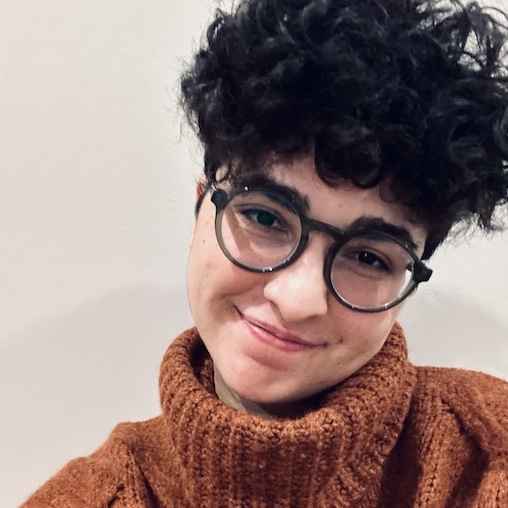
Ezgi Ozyilkan (Apple)
Ezgi Ozyilkan is a Machine Learning Research Engineer at Apple in Cupertino. She received her Ph.D. from New York University in 2025, where her research spanned machine learning, data compression, and information theory, and holds a master's degree from Imperial College London. Her current interests include perceptual optimization, image and video coding, 3D Gaussian splatting, and generative modeling. (read more)

Fabien Racapé (Interdigital)
Fabien Racapé is a senior scientist at InterDigital in Los Altos, CA, focussing on video compression using hybrid and neural-network-based methods, as video coding for machines. He has been involved in H.266/VVC and MPEG Neural Network Compression (NNC) standardization activities. He received his M.Sc. in signal processing and telecommunications from the Grenoble Institute of Technology, France, in 2008, and his PhD degree from the National Institute of Applied Science (INSA), Rennes, France, in 2011. (read more)

Nicolas Neumann (Nokia)
Nicolas Neumann is a researcher in the field of video compression, working on both hybrid video coding and learned compression technologies. His research interests include image and video compression, machine learning for multimedia applications, and visual data representations for both human and machine consumption. He is an active contributor to JVET and MPEG activities. Nicolas received his M.Sc. degree in 2019 and recently completed his doctoral studies at RWTH Aachen University. (read more)

Andrew Segall (Amazon)
Andrew Segall received the B.S. and M.S. degrees in electrical engineering from Oklahoma State University, and the Ph.D. degree in electrical engineering from Northwestern University. He is currently the Head of Video Coding Standards at Amazon Prime Video. Previously, he was a Director at Sharp Labs of America, where he led the Department of Systems, Algorithms and Services while simultaneously holding the position of Distinguished Scientist at Sharp Corporation. He is an active participant in the international standardization community and has developed and contributed technology to the Versatile Video Coding (VVC), High Efficiency Video Coding (HEVC), Advanced Video Coding (H.264/AVC), and ATSC 3.0 projects. He currently serves as co-chair of the Neural Network Video Coding activity in the Joint Video Experts Team (JVET) of ITU-T SG16 Question 6 and ISO/IEC JTC1/SC29/WG5, HDR Chair for the MPEG Visual Quality Assessment Advisory Group (ISO/IEC JTC1/SC29/AG5), and as a representative on the AOMedia Steering Committee. (read more)
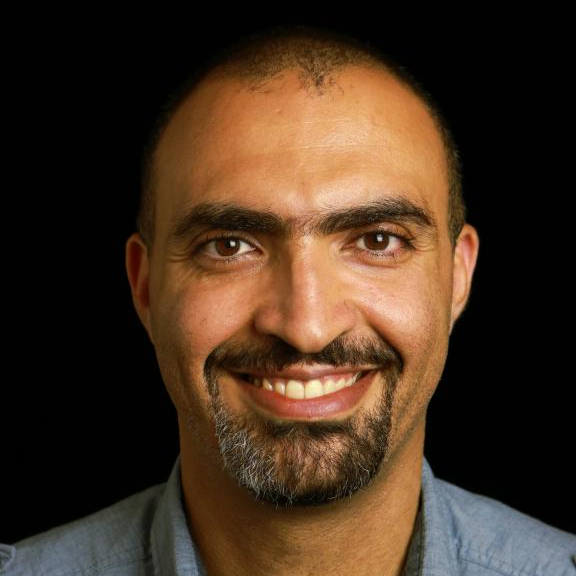
Ramzi Khsib (Amazon)
Ramzi Khsib, is a Principal Software Development Engineer with AWS Elemental's Research & Development team, with a career spanning over two decades in the fields of video processing and compression. Ramzi is a five-time recipient of the Technology & Engineering Emmy Awards. His expertise encompasses a vast array of subjects, including pixel processing, video filtering, perceptual quality enhancement, and machine learning. As the lead architect in video compression, Ramzi has played a pivotal role in transforming AWS Elemental into a global frontrunner in video quality. Ramzi's research interests lie at the crossroads of video compression, computer vision, and machine learning and avid advocate of the compression efficiency at lower compute costs. (read more)
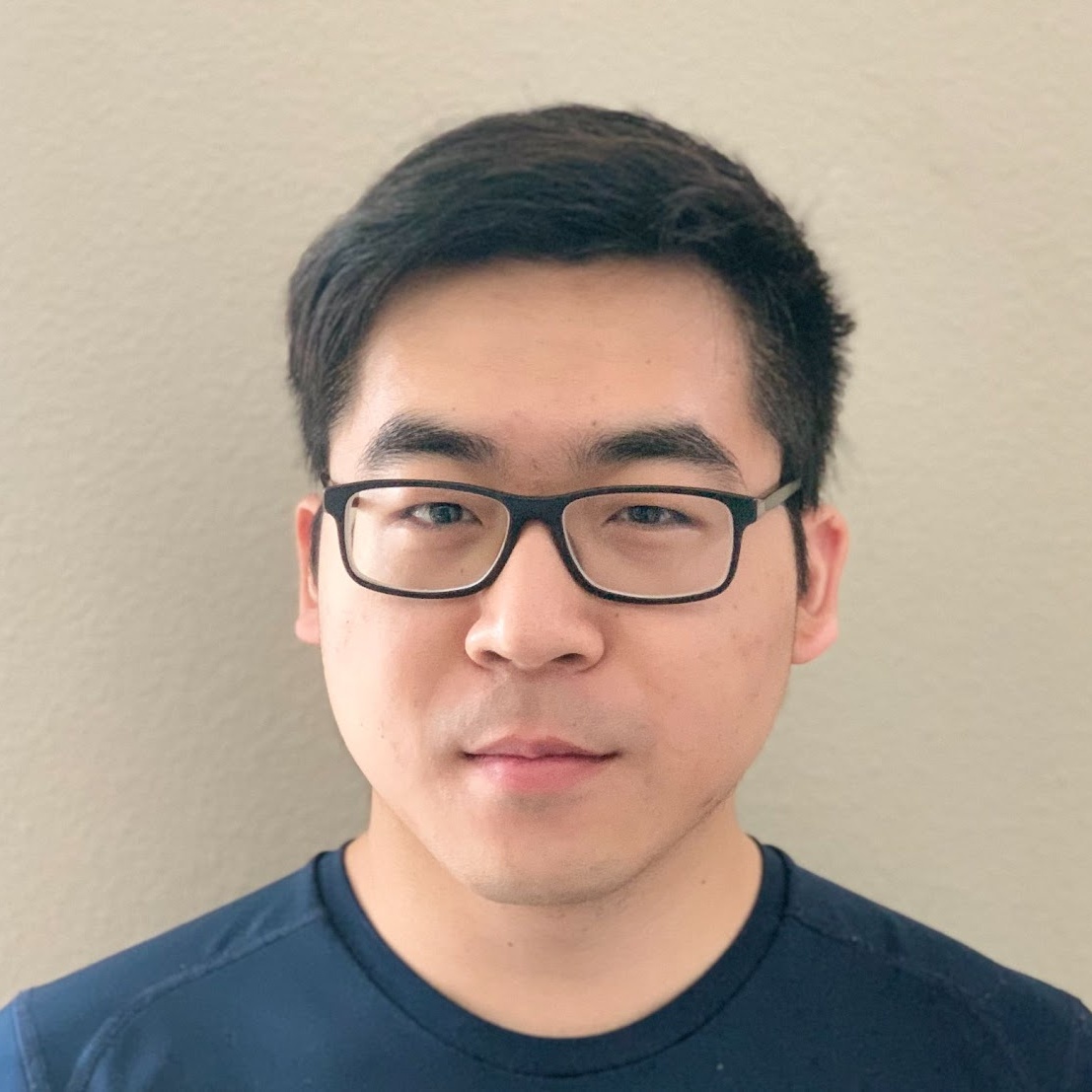
Yixu Chen (Amazon)
Yixu Chen is an Applied Scientist on the Prime Video Compression Efficiency team. He received his M.S. in Computer Engineering from Texas A&M University in 2021. His work focuses on live video streaming optimization, including applications such as video quality metrics and super-resolution. His research interests include super-resolution and frame-generation, video quality assessment, video saliency and video coding. (read more)
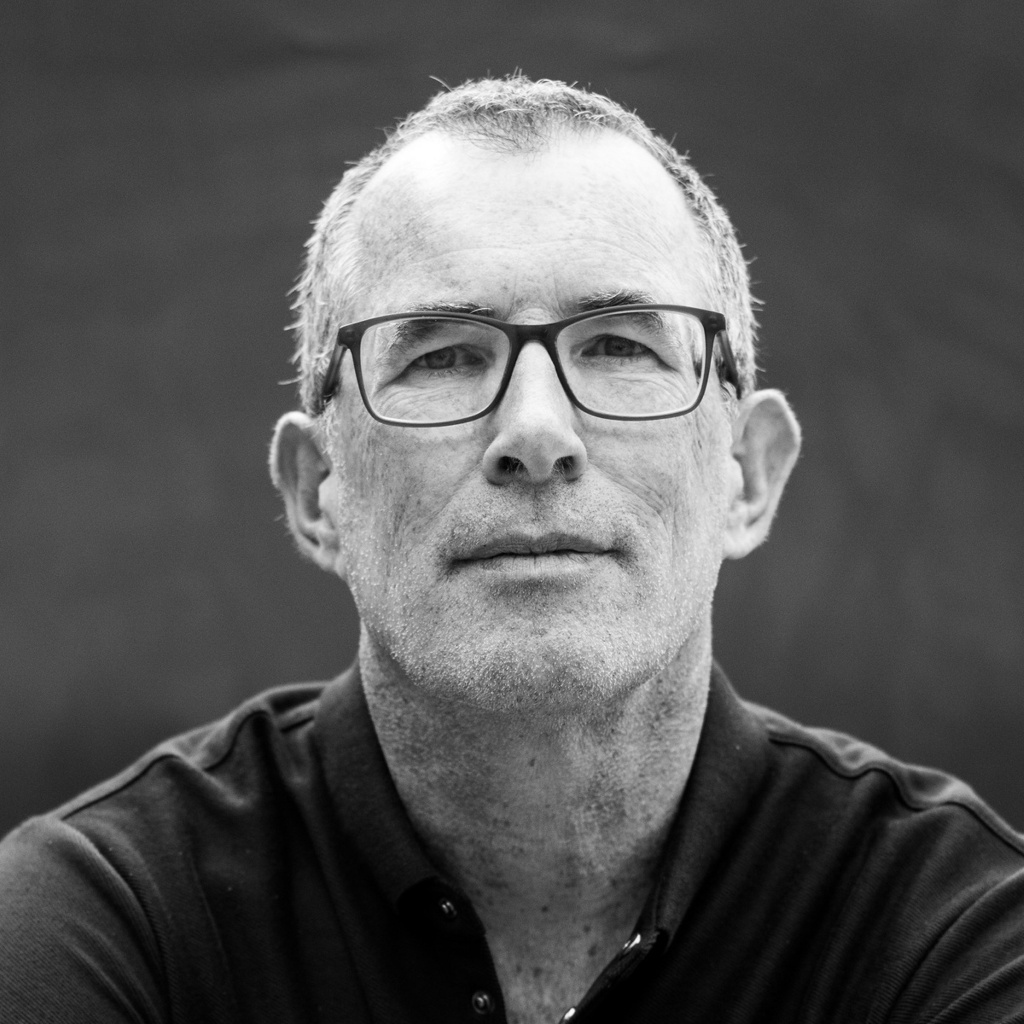
Pierrick Philippe (Orange)
Pierrick Philippe works as a video coding specialist with Orange, France. He received his PhD on audio coding at Paris University in 1995. Until 2010, he contributed to the standardisation of several audio coding algorithms at MPEG, ITU-T and 3GPP. Since then, he has been active in the development of image and video coding algorithms using machine learning and neural networks. In this area, he contributed to Versatile Video Coding especially on the transform aspects. (read more)
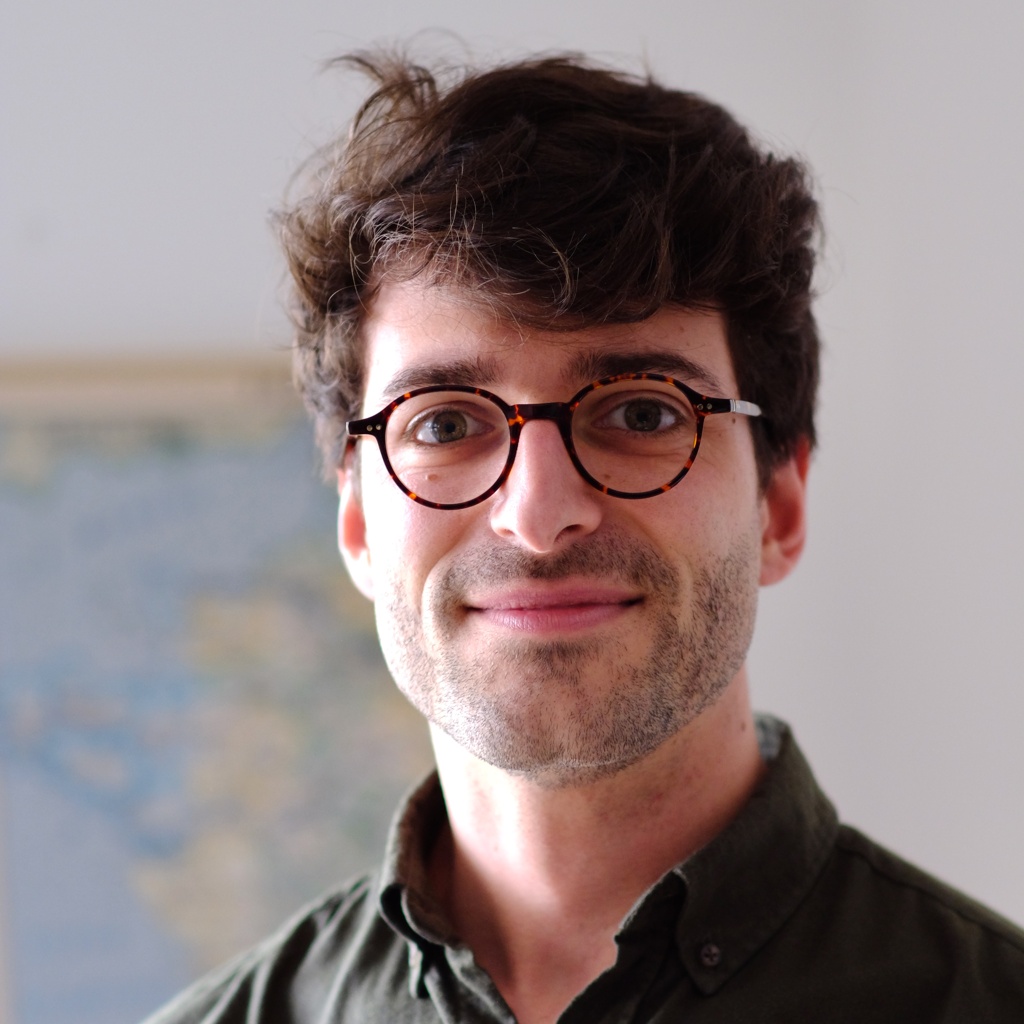
Théo Ladune (Orange)
Théo Ladune is a research engineer at Orange Innovation (France). He obtained his Ph.D. in deep learning for video coding from the University of Rennes in 2021. Since joining Orange Innovation that same year, he has been investigating various applications of deep learning in video coding, including autoencoders and implicit representations. His current research mainly focuses on creating innovative video coding techniques that rely on very lightweight neural networks. (read more)